

There are many different types of cat skin diseases, and each can have a range of consequences for your feline friend. If you're not familiar with the various skin diseases your cat can suffer from, we've put together a list of the most common cat skin diseases to be aware of. We'll explain how to recognize the signs and symptoms of these diseases and how to prevent them in the future. Hopefully, you'll be better prepared to take care of your fur baby and help keep them happy and healthy!

According to studies, between 6 and 15% of feline patients have at least one dermatopathy, and many cats have multiple. A recent study found that 22 percent of cats presented to the dermatology service at Cornell University Hospital for Animals had evidence of two skin diseases, and 6 percent had evidence of three distinct skin diseases. (Center, n.d.)
For cats with FIP, you may notice weight loss, increased thirst, lethargy, fever, diarrhea or bloody stool, and a loss of appetite.
CLE is an autoimmune disorder that causes red, scaly patches on the skin and can lead to hair loss, pneumonia, and death.
Common symptoms for DIC include frequent urination, bleeding from the bladder, and frequent urination with blood in it. Cats may also experience chronic itching and painful sores in their mouths.
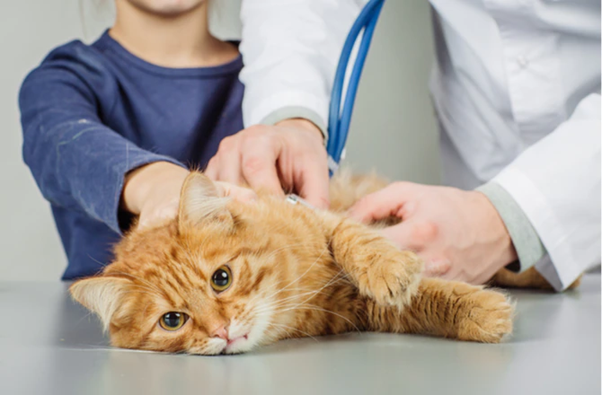
Treatments for these diseases or cat skin infection depend on the specific condition your cat has. If your cat has an infection, it may be given antibiotics to help fight it off. A dermatologist can also prescribe medication to deal with any skin conditions. If the infection is severe enough, your veterinarian may even recommend euthanasia. But it is always best to speak with your vet first so you can have a better idea of what you need to do in order to help your pet get better.
If you don't take care of your cat's skin health, they may suffer from serious consequences. While some cat skin diseases don't require treatment if they're not serious, others may be life-threatening if left untreated. Here are a few of the potential consequences of not treating your cat's skin diseases:

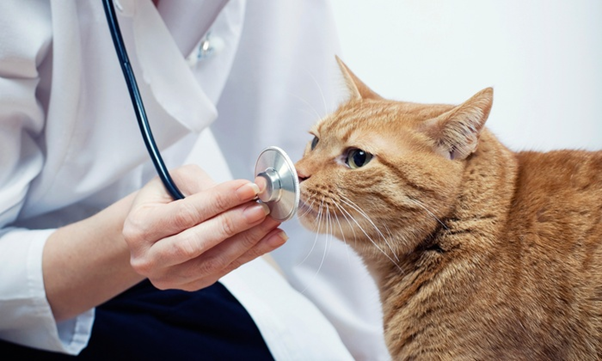
If you think that your cat is suffering from any skin condition you should always take them to see the vet as they can usually diagnose the problem and provide treatment to help restore the health of your pet. They will also be able to advise you of the best preventative methods for your pet's skin and coat health.
Read also: Premium Food for Cats, Best Wet Cat Food, Grain Free Cat Food

